Specialist Neuropsychology
Dementia & Cognitive Decline
Changes in memory or thinking can raise difficult questions for you and the people around you. Specialist neuropsychological assessment can help develop a clearer understanding of your cognitive functioning and provide practical guidance about appropriate support and next steps.

When Changes Become Harder to Ignore
Understanding changes in memory and thinking
Changes in memory and thinking can develop gradually. At first, they may be easy to explain away — forgetting an appointment, struggling to find a familiar word or finding that everyday tasks require more concentration than they once did.
Over time, you or the people close to you may begin to notice a more consistent change. Familiar routines may become harder to manage, conversations may be more difficult to follow, or there may be changes in organisation, communication or independence.
These experiences can bring uncertainty for everyone involved. It can be difficult to know what the changes mean, how much to worry about them or what should happen next.
Neuropsychology can help build a more detailed picture of your cognitive functioning, considering areas of difficulty alongside the abilities and strengths that remain.

Understanding Dementia
Dementia is not a single condition
Different forms of dementia can affect cognitive functioning in different ways.
Specialist assessment considers the pattern of changes you are experiencing rather than looking at memory alone.
Alzheimer’s Disease
A form of dementia included within Recall Psychology’s specialist assessment and support for people experiencing cognitive decline.
Vascular Dementia
Cognitive decline associated with changes affecting the brain’s blood supply, also included within Recall Psychology’s specialist dementia work.
Lewy Body Dementia
One of the dementia presentations for which Recall Psychology provides specialist diagnostic and cognitive profile mapping.
Frontotemporal Dementia
Another dementia presentation included within Recall Psychology’s specialist neuropsychological assessment work.
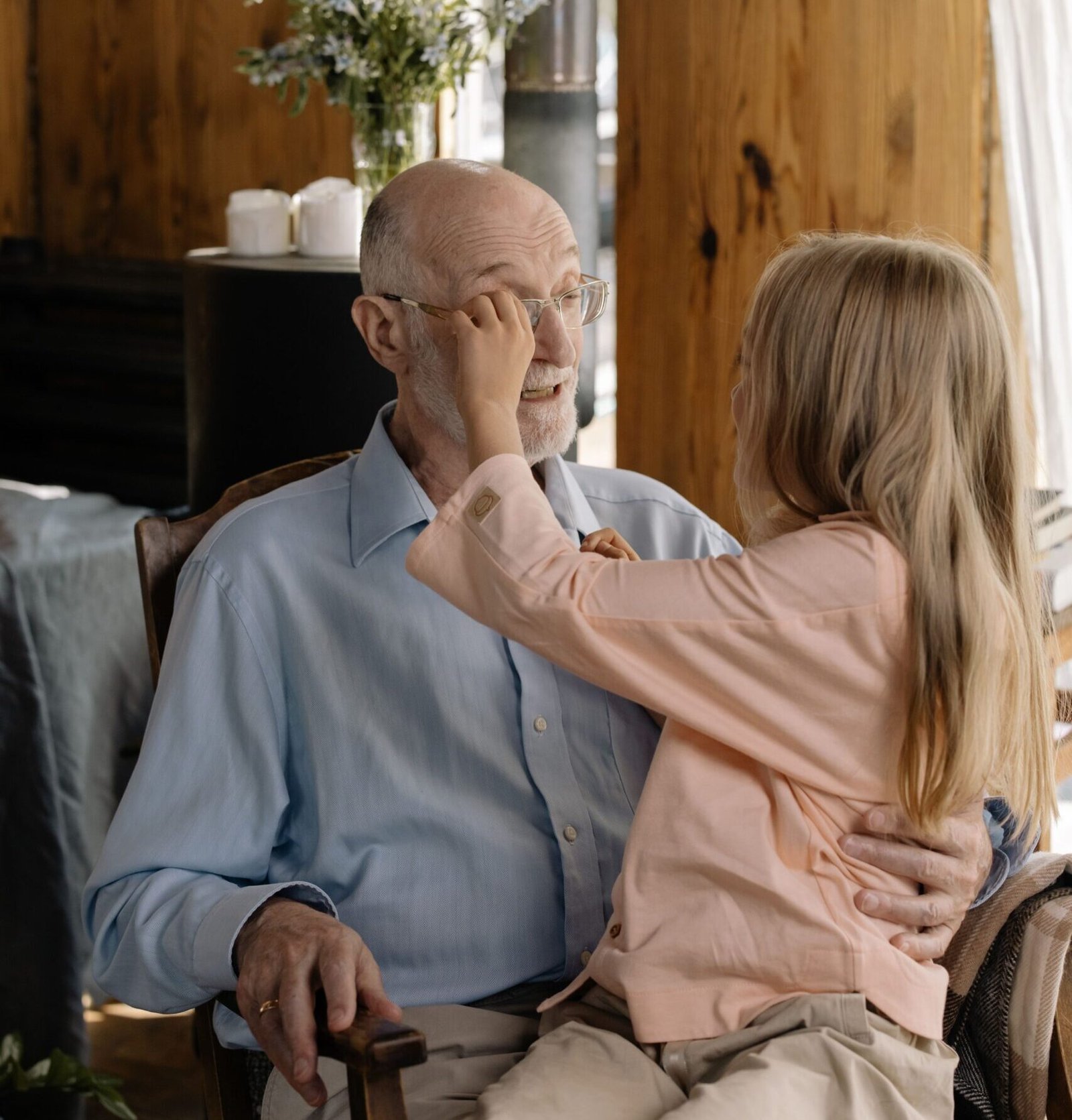
Neuropsychological Assessment
Building a Clearer Cognitive Picture
Neuropsychological assessment explores different areas of thinking in a structured and comprehensive way. Depending on your circumstances, this may include memory and attention, executive functioning, cognitive processing, language and communication.
The aim is to understand the pattern of your cognitive functioning rather than viewing one difficulty in isolation. Assessment can identify areas that have changed while also recognising abilities that remain stronger.
This information can contribute to a clearer understanding of the difficulties you are experiencing and provide a foundation for practical recommendations about everyday life, support and future planning.
Where questions about dementia have arisen, neuropsychological assessment can form one part of developing a fuller clinical picture.
Find out about Neuropsychological Assessment
Understanding Changes in Everyday Life
Assessment is only useful if the understanding it provides can be connected back to everyday life.
Cognitive changes may affect how you manage responsibilities, communicate with other people, organise your day or maintain independence. Recommendations therefore need to reflect your individual circumstances rather than simply describe the results of cognitive tests.
Our focus is on translating clinical understanding into practical guidance that supports your wellbeing, independence and quality of life wherever possible.
Supporting Families Through Change
Cognitive decline affects more than the individual experiencing it. Partners, spouses and adult children may gradually take on new responsibilities while also managing their own emotional response to what is changing.
Families may be trying to balance practical decisions with grief, uncertainty, guilt or anxiety about the future.
We recognise those experiences as part of the wider picture. Support can help families understand cognitive changes, navigate changing roles and protect their own wellbeing alongside the needs of the person they care about.
Explore Carer & Family Support
Beyond Diagnosis Comes Understanding
Receiving a diagnosis — or beginning to consider that dementia may be part of what is happening — can change the way you and the people around you think about the future.
But a diagnosis does not tell the whole story of a person.
Understanding your individual cognitive profile can help identify what has changed, what remains stronger and where support or adaptation may make everyday life more manageable. It can also give families a shared framework for understanding experiences that may previously have felt confusing.
The purpose of assessment is therefore not simply to apply a label. It is to help create a clearer picture of what is happening and use that understanding to inform meaningful support.

Understanding What Comes Next
Questions about cognitive decline can bring uncertainty about what to do next, particularly when several people are trying to make sense of changes at the same time.
For some people, the next step may be a specialist neuropsychological assessment. For others, the priority may be understanding an existing diagnosis, adapting everyday routines or finding psychological support for themselves or their family.
At Recall Psychology, we consider these needs within the wider context of your life, relationships and circumstances. Our aim is to provide specialist understanding alongside practical and compassionate support as your needs evolve.
If you are unsure whether neuropsychological assessment or another form of support would be appropriate, an initial conversation can help us consider the next step together.