Specialist Neuropsychology
Stroke & Cerebrovascular Disease
Recovery after a stroke can involve changes that are not always visible to other people. Specialist neuropsychological support can help you understand changes in thinking, emotions and everyday functioning, and develop practical ways to navigate life after stroke.
When Recovery Is More Than Physical
Making sense of the less visible effects of stroke
A stroke often arrives without warning. In the immediate aftermath, the focus is understandably on medical treatment, physical recovery and early rehabilitation. But as time passes, many people begin to notice changes that are less obvious from the outside.
You may look physically well while finding that conversations are harder to follow, everyday decisions require more effort or activities that once felt straightforward leave you mentally exhausted.
For some people, changes in memory, communication or concentration are immediately apparent. For others, the differences are subtler and only become clear when trying to return to familiar routines, responsibilities or work.
These experiences can be difficult to explain to other people — and sometimes difficult to understand yourself. Neuropsychological support can help make sense of how the stroke has affected you as an individual, not simply what happened medically.

Understanding Cognitive Change
Thinking can feel different after a stroke
The cognitive effects of stroke vary depending on your individual circumstances.
Changes may affect several aspects of everyday thinking and can interact with fatigue, emotions and the demands of your environment.
Executive Functioning
Planning, organising, solving problems or managing several things at once may become more difficult, even when the individual tasks remain familiar.
Information Processing
It may take longer to register, understand and respond to information, particularly when conversations or environments are busy.
Attention & Memory
Maintaining concentration can become harder, and you may find it more difficult to retain recent information or remember conversations and events.
Cognitive Fatigue
Mental activity may use considerably more energy than before, meaning concentration, conversation or everyday tasks can become exhausting.


Understanding cognitive fatigue after stroke
Fatigue after a stroke can be difficult to describe. It is not always the same as ordinary tiredness, and resting or sleeping may not fully resolve it.
When your brain has to work harder to process information, maintain attention or organise everyday activities, the available mental energy can be used surprisingly quickly. A conversation, shopping trip, family gathering or period of concentrated work may leave you needing significant time to recover.
This can be particularly frustrating when you appear physically well. Other people may not understand why you can manage something on one day but struggle with the same activity on another.
Part of neuropsychological rehabilitation can involve understanding your own patterns of cognitive fatigue and developing practical ways to pace activity, protect your mental energy and prioritise what matters to you.

Understanding emotional change and adjustment
A stroke can affect emotions as well as cognition. You may find yourself becoming tearful, frustrated, angry or overwhelmed more easily than before, sometimes in ways that feel unfamiliar or difficult to control.
There can be several things happening at once. Neurological changes may affect the systems involved in emotional expression and regulation. At the same time, you are adjusting psychologically to what has happened — perhaps to changes in independence, confidence, work, relationships or expectations for the future.
The stroke itself may also have been a frightening medical emergency. For some people, the experience of becoming suddenly unwell, receiving emergency treatment or fearing for their life continues to affect them after the immediate physical danger has passed.
Understanding these different influences can help make emotional changes feel less confusing and allow psychological support to be tailored to your experience of what has happened.
Supporting Everyday Recovery
Rehabilitation is about translating clinical understanding into everyday life. We can work with you to develop personalised strategies for memory, planning and organisation, alongside pacing approaches to help manage cognitive fatigue.
Where emotional adjustment is part of the picture, psychological therapy can also provide space to process what has happened, understand changes in confidence or identity and respond to anxiety, low mood or distress.
Recovery Happens Within Relationships
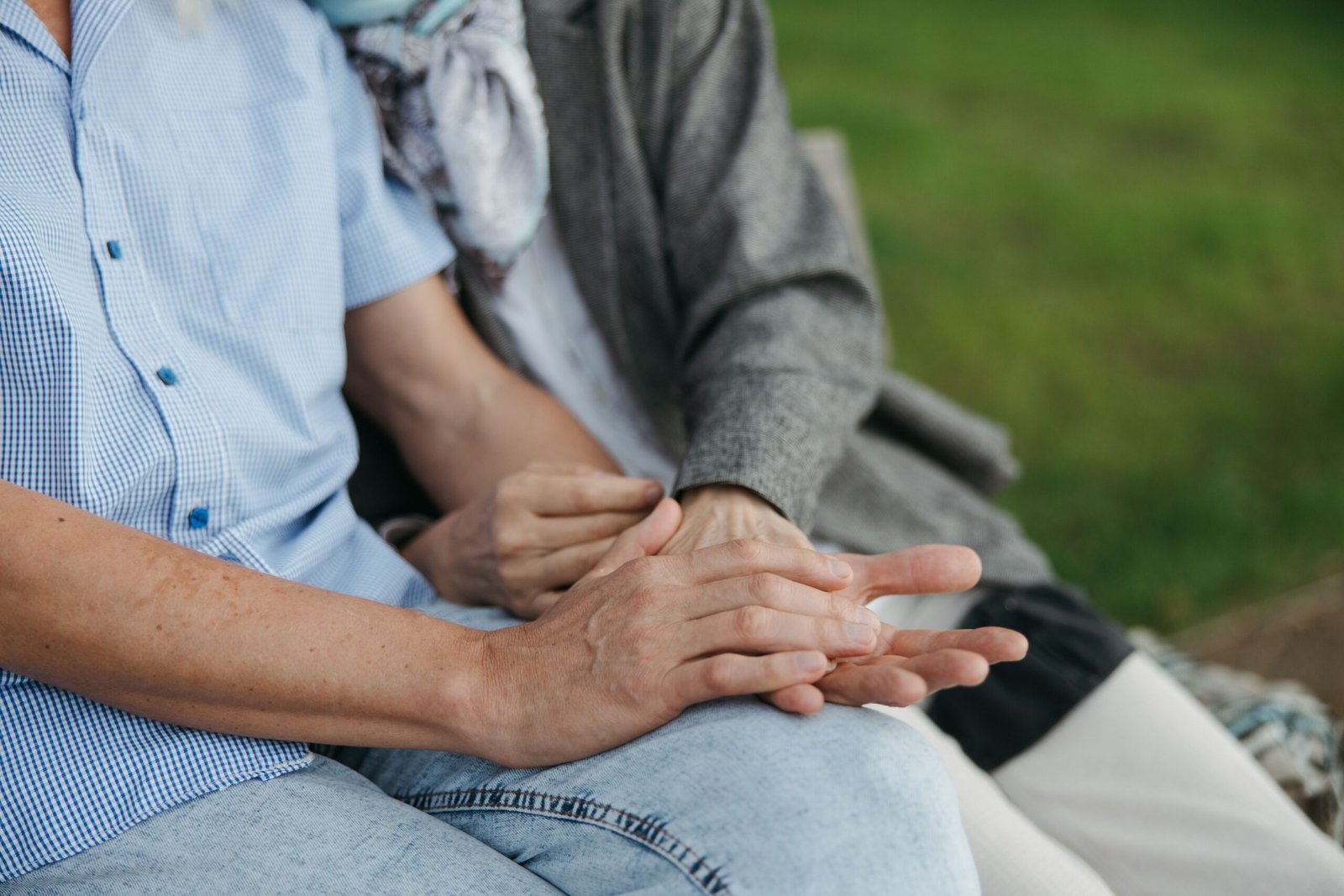
Stroke affects more than one person. Partners and family members may also be adapting to changes in roles, responsibilities, communication and plans for the future.
Where appropriate, we can help the people around you understand the cognitive and emotional effects of stroke and develop collaborative strategies that support your rehabilitation while recognising their own adjustment and wellbeing.
Explore Carer & Family Support
Finding Your Way Forward
Recovery after a stroke does not always mean returning to life exactly as it was before. For many people, it becomes a process of understanding what has changed, recognising what remains and discovering different ways of approaching the things that matter.
Your priorities may also change over time. Early in recovery, the focus may be on understanding cognitive difficulties or simply managing fatigue from day to day. Later, questions about work, relationships, confidence, independence or identity may become more important.
At Recall Psychology, we work alongside you through these different stages, bringing together specialist neuropsychological understanding, practical rehabilitation strategies and psychological support.
The aim is not to minimise what has changed, but to help you understand your experiences, make use of your strengths and find meaningful ways to move forward.