Specialist Neuropsychology
Acquired Brain Injury
A brain injury can change how you think, feel and experience everyday life. Specialist neuropsychological support can help you understand those changes, build on your existing strengths and develop practical ways to adapt to life after injury.
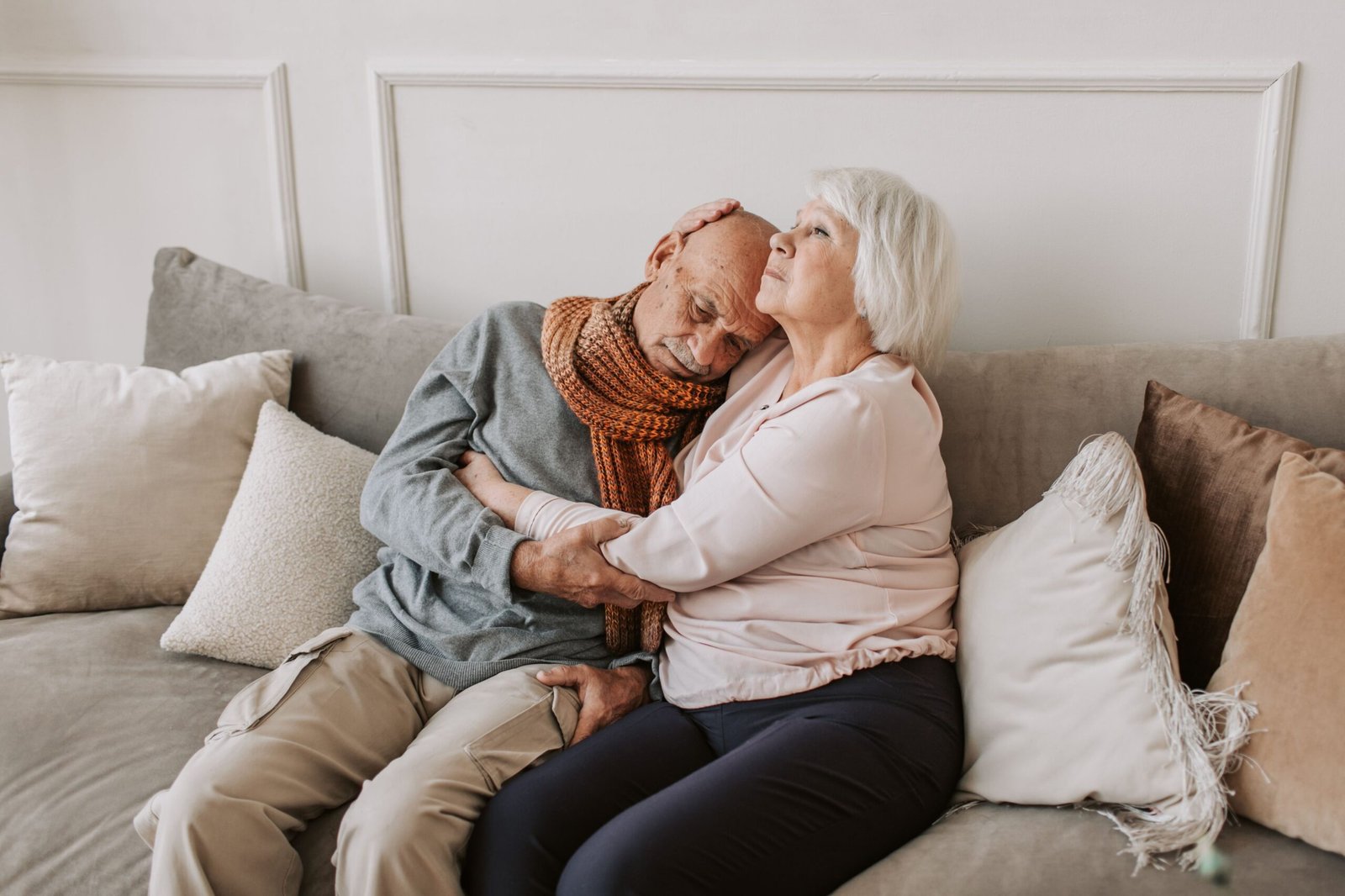
Life Can Feel Different After a Brain Injury
Adjusting to changes that others may not always see
The effects of an acquired brain injury can reach into almost every part of life. Some changes may be immediately apparent, while others only become noticeable when you return home, resume work or begin trying to manage familiar responsibilities again.
You might find it harder to concentrate, remember information, organise your day or keep up with conversations. Tasks that once happened automatically can require much more thought and energy, leaving you mentally exhausted.
But cognitive changes are only part of the picture. Brain injury can also affect confidence, emotions, relationships, independence and your sense of who you are. It can be difficult when other people see physical recovery while the less visible effects of the injury continue to shape everyday life.
Making sense of these different changes is an important part of rehabilitation. Our role is to understand not simply what has happened to your brain, but what the injury has meant for you and the life around you.

Understanding the impact
Brain injury can affect more than cognition
Every brain injury is different. The changes you experience will depend on your individual circumstances, but difficulties can extend across several interconnected areas of life.
Thinking & Memory
Changes in memory, concentration, information processing or executive skills such as planning, organisation and problem-solving.
Emotions & Confidence
Changes in mood, anxiety, frustration or emotional regulation can occur alongside a loss of confidence as you adjust to doing familiar things differently.
Fatigue & Mental Energy
Everyday activities may require considerably more cognitive effort, making it harder to maintain concentration or manage several demands without becoming exhausted.
Identity & Relationships
Changes in independence, work, family roles and communication can affect how you see yourself and how you relate to the people around you.

Understanding Your Cognitive Profile
Neuropsychological assessment after brain injury
When appropriate, neuropsychological assessment can help us understand how an injury has affected different aspects of your thinking.
Assessment may explore areas such as memory, attention, processing speed, language and executive functioning. Importantly, we are not only looking for areas of difficulty. Understanding the abilities that remain strong can be equally valuable.
This creates a more individual picture of your cognitive functioning and helps explain why particular situations may now be difficult or exhausting.
The findings can then be translated into practical recommendations relevant to your everyday life — whether that involves managing activities at home, returning to work, adapting responsibilities or identifying areas where further rehabilitation and support may be helpful.

Support beyond assessment
Turning understanding into everyday strategies
Assessment can provide valuable answers, but understanding what has changed is only the beginning. Neuropsychological rehabilitation focuses on using that understanding in everyday life.
Cognitive Strategies
Developing personalised ways to manage difficulties with memory, planning, organisation and other areas of cognitive functioning.
Managing Cognitive Fatigue
Understanding your available mental energy and developing pacing strategies that help you balance activity, rest and the demands of daily life.
Emotional Adjustment
Psychological support can help you process what has happened, make sense of emotional changes and navigate grief, anxiety or changes in confidence and identity.
Returning to Everyday Life
Using practical adaptations and rehabilitation strategies to support meaningful activities, responsibilities, relationships and, where appropriate, a return to work.
Brain Injury Affects More Than One Person
An acquired brain injury can bring changes for partners, children and other family members too. Roles and responsibilities may shift, communication can become more difficult and everybody may be trying to adjust to an unfamiliar situation at the same time.
Understanding why someone may now think, respond or behave differently can help families make sense of changes that might otherwise feel confusing or personal.
Supporting Adjustment Together
Where appropriate, we can involve the people closest to you, helping them understand the cognitive and emotional effects of brain injury and consider practical ways to support rehabilitation.
We also recognise that family members have their own experience of what has happened. Supporting somebody after a brain injury can bring uncertainty, grief and additional responsibilities, and their wellbeing matters too.
Find out more about Carer & Family Support
Finding a Way Forward After Brain Injury
Living with an acquired brain injury is not always a straightforward process of returning to how things were before. Recovery and adjustment can continue long after the immediate medical treatment has ended, and what you need may change over time.
For some people, the priority is understanding persistent cognitive difficulties. For others, it may be finding ways to manage fatigue, rebuilding confidence, returning to meaningful activities or adapting to changes in relationships and responsibilities.
Our approach brings together specialist neuropsychological understanding with practical rehabilitation and psychological support. We work alongside you to understand what has changed, recognise the strengths you continue to have and develop strategies that reflect the realities of your life.
You do not need to have everything worked out before getting in touch. An initial conversation can help us understand where you are now and consider what kind of support may be most useful.